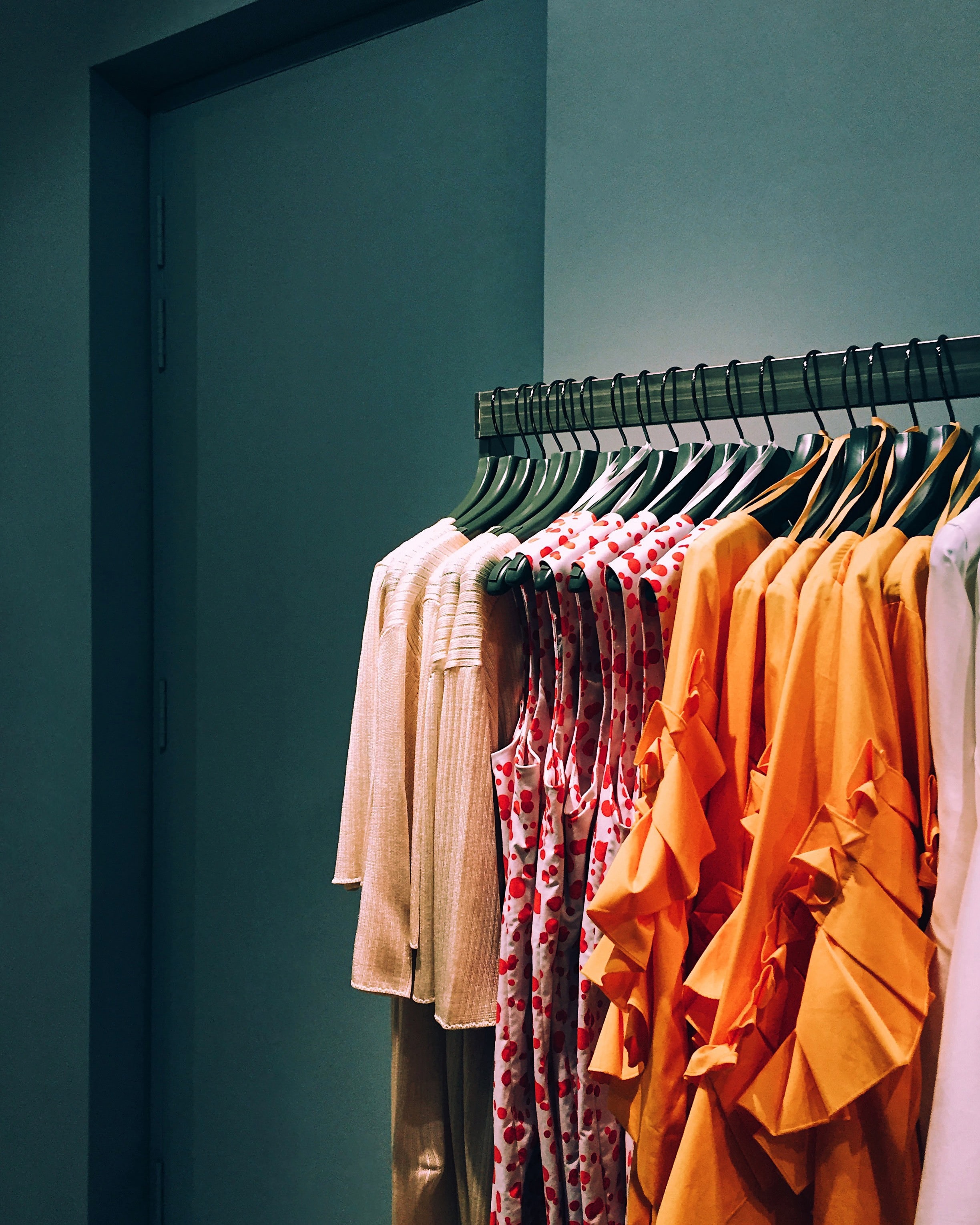
The problem is fast fashion – why clothing chains should not bet on e-commerce
E-commerce problems get worse if you copy the same model for second-hand online. Free returns, impulse buys and expensive reverse logistics do not belong in a circular economy.
💡Key takeaways
- ✓E-commerce leads to more returns and more waste
- ✓Unique second-hand garments do not justify traditional returns
- ✓A circular economy is about using what we already have
Studies have established that consumers overuse free return rights. That leads to more impulse purchases and expensive, messy return processes for stores. Researchers at Lund University talk about return fees and more efficient return processes as possible solutions.
E-commerce problems get worse for second-hand
- Significantly more returns in online retail than in physical stores, because e-commerce encourages impulse buying. If you sell unique garments that only exist in one size, traditional returns cannot be justified.
- Return processes are complicated. They create costs that lead companies to throw away returned clothes because it is cheaper.
- Destroyed returns in the tech and textile industries in 2022 were estimated at at least 21.74 billion euros.
A circular economy is about making use of what we already have. Buying goods only so they can be thrown away unused does not belong there. If stores did not push e-commerce as hard, we could reduce expensive returns and instead find paths to more sustainable revenue.
Related articles
Why the future is second-hand, not e-commerce
E-commerce is shrinking for the first time in 17 years, while second-hand is retail’s fastest-growing segment. Hybrid and physical stores beat pure online.
Why second-hand is good – for the customer and the shop
Climate, unique pieces and a lower price. Why people search why second-hand is good. How you turn that into a shop that actually works.