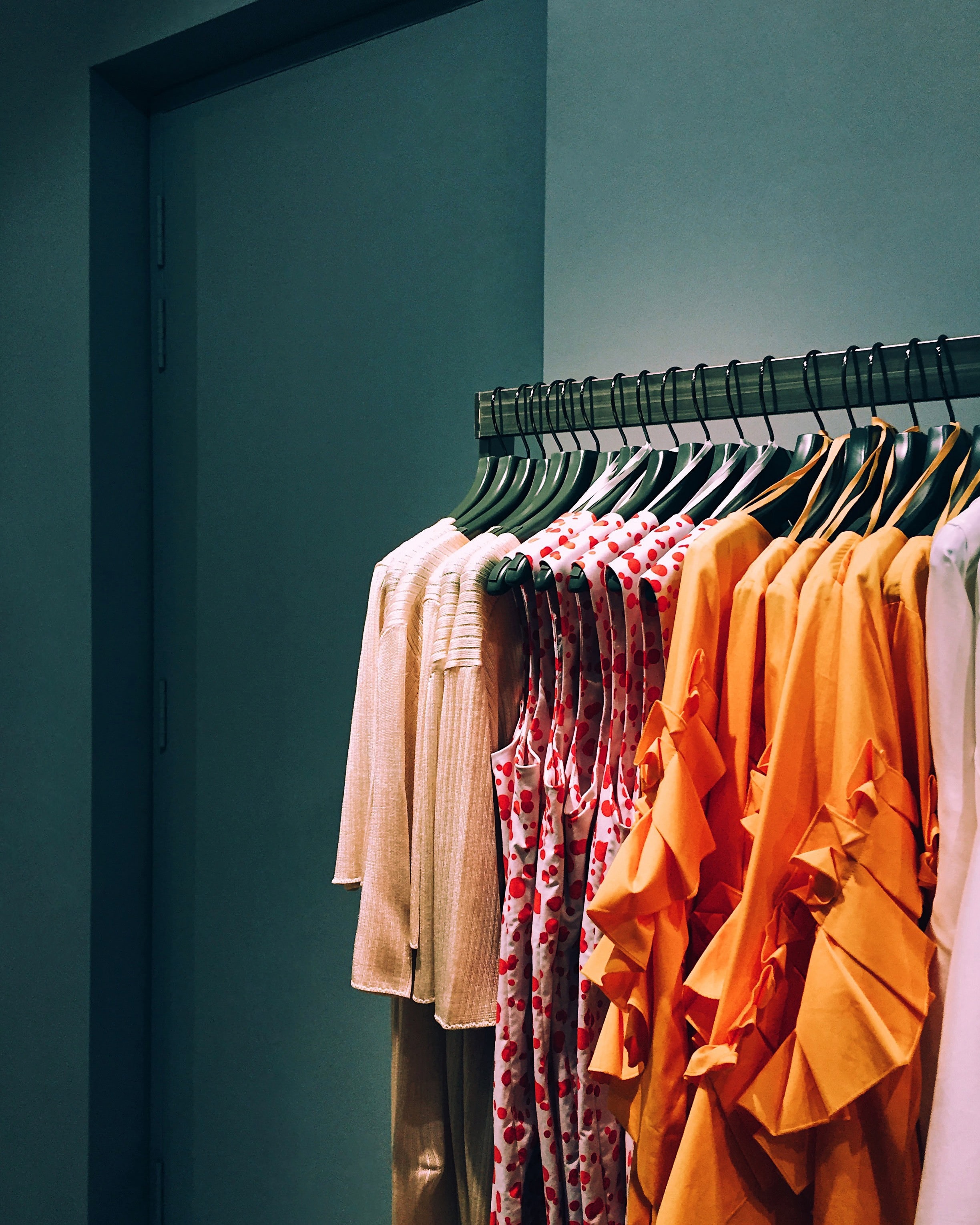
Why second-hand stores should dare to be selective
Without a clear concept you end up with goods nobody wants. Dare to be picky about assortment, quality and what customers may drop off.
💡Key takeaways
- ✓Be selective about what you take in – it saves time and money
- ✓Set clear standards that customers understand
- ✓Quality over quantity leads to happier customers
No one has missed that sustainable fashion is on the agenda. We read about it in the papers, see it on the news, and stores are changing their business models to be part of the shift. Running a store is hard work, especially when you are investing in a new concept like second-hand. It is difficult to know exactly how to enter the second-hand market the right way, and the questions are many.
After meeting many store owners, it is clear that a lot of people are ready to step into reuse. Fixtures are in place, as are knowledge, will, staff and premises. There is some uncertainty about how to proceed, so people either stand still – or do the opposite: throw themselves in and buy everything under the sun to offer something for everyone. The problem is that without a thought-through concept, the method is not sustainable. The risk is that you stand there with a pile of goods nobody wants. As a store you have to dare to be selective, even with second-hand.
That is why we at Serculate have put together this guide to help untangle some of the most common questions.
Dare to differentiate
Not being selective with your assortment is a mistake. Second-hand stores that do not dare to be picky lose both time and money. Concretely, that means spending expensive resources on taking in, sorting and beautifully presenting things that still do not sell. What is the point of dusting a chipped vase or hanging a pair of half-worn trousers nobody wants? To succeed, stores must dare to be selective. Do not be afraid to describe your target group clearly on the website or in other media where you advertise – for example if you sell toys or specialise in women’s fashion.
Quality decides, not quantity
Remember that customers are both environmentally and price conscious – that does not mean they are looking for someone else’s junk or lower-quality clothes.
As a store it is important to set a standard so customers know what to expect when they shop and when they drop off. The charm of second-hand is that you do not know in advance what is in the store, but customers still expect whole, clean, fresh clothes, even if they have had a previous owner.
Practical thinking in the early stage of a second-hand store
- Agree a standard for what the store will and will not take in. Everyone on staff needs to be aligned so quality does not shift depending on who is working.
- Create routines for how you handle incoming clothes: sorting, display and what you focus on.
- A clear structure in the store and in what you sell makes it easier for customers to find their way and trust your concept.
- Teach the customers. Explain clearly what they may drop off and what they may not, and dare to stand your ground. The store should not spend time washing out stains, mending, or disposing of clothes that come in – they should be ready to sell.
Remember: just as it should be easy for the store to sell the clothes, it should be easy for customers to drop them off.
Simple tips for a smooth drop-off that saves time and money
- Write a checklist for drop-off and a checklist of what you do not accept, and split it into categories, for example: clothes, shoes, toys, bags, accessories.
- If the customer needs to do something before they come to the store, for example create a digital account.
- Explain your store’s standard – for example that customers cannot just leave a bag of clothes and walk away.
- Be clear about the customer’s responsibility. For example: you have X days to collect your items when the sales period ends, before ownership passes to the store.
Example checklist of what you accept
- Do not drop off anything you would not buy yourself.
- Garments should be in good condition and not too out of fashion.
- What you drop off should be no more than four years old.
- Clothes should be freshly washed. Wash them again if they do not smell fresh.
- Do not drop off more than 25 items at a time.
- Shoes should be intact and clean at drop-off.
Example checklist of what you do not accept
- Stained or washed-out clothes
- Underwear
- Socks
- Swimwear
- Broken toys
You decide the details, but a clear list of what you do not take is very useful. Your store is not meant to be the public’s dumping ground.
Clarity creates trust
Remember that customers who drop off clothes in your store have chosen you. That is a fantastic chance to build new relationships, and then they need to know what they get – both when they shop and when they drop off. Write clearly how commission works and preferably state in percent what they can expect when items sell. That way you avoid misunderstandings and build trust for future business.
Want to know how your store can step into the circular economy in a smart, safe way? Or tips on how simple means can make sorting efficient? Wherever you are on your circular journey, we are glad to help.
Sources: Arkivet STHLM and Bye Buy